Understanding Commercial Metal Roofing
In the realm of commercial construction, roofing plays a pivotal role in both the aesthetic and functional integrity of a building. Among the various options available, Commercial Metal Roofing stands out for its durability, versatility, and cost-effectiveness. As businesses increasingly shift towards sustainable practices, metal roofing emerges not only as a practical choice but also as one that enhances a building's value and energy efficiency. This article delves into the intricacies of commercial metal roofing, covering its types, advantages, cost factors, installation best practices, and future trends.
What is Commercial Metal Roofing?
Commercial metal roofing refers to a classification of roofing materials made from various types of metals, typically utilized in commercial buildings such as warehouses, offices, and manufacturing plants. Metal roofs are primarily crafted from materials like steel, aluminum, copper, and zinc. These roofs can be installed in numerous configurations, including standing seam, corrugated, and metal shingles, providing a wide range of aesthetics and functionality suited to diverse commercial needs.
Advantages of Metal Roofing for Businesses
Choosing metal roofing for commercial properties offers numerous advantages, including:
- Durability: Metal roofs are renowned for their longevity, often lasting 40 years or more with proper maintenance, significantly outlasting traditional roofing materials.
- Low Maintenance: Metal roofs require less upkeep compared to asphalt or tile roofs, which can result in reduced long-term costs.
- Energy Efficiency: Reflective surfaces of metal roofs can help lower cooling costs by reflecting solar radiation, contributing to a more energy-efficient building.
- Fire Resistance: Being non-combustible, metal roofs provide higher protection against fire compared to other materials.
- Environmental Sustainability: Many metal roofing systems are made from recyclable materials and can be recycled at the end of their lifespan, promoting sustainable building practices.
Common Myths about Metal Roofing
Despite the many benefits, misconceptions about metal roofing persist. Some of the most prevalent myths include:
- Metal roofs are noisy: Contrary to popular belief, metal roofs are not significantly noisier than other roofing materials. Proper insulation can mitigate sound effectively.
- Metal roofs attract lightning: Metal is no more likely to attract lightning than any other material. In fact, metal roofs can dissipate electricity more effectively.
- Metal roofs are expensive: While the initial investment may be higher, the long-term savings in maintenance and energy efficiency often make metal roofing more cost-effective over time.
Types of Commercial Metal Roofing Systems
Standing Seam Metal Roofing
Standing seam metal roofing features vertical panels that interlock at the seams, creating a sleek, modern appearance. This system is particularly beneficial for commercial applications as it allows for thermal expansion and contraction without compromising the integrity of the roof. It also provides excellent resistance to water infiltration.
Corrugated Metal Roofing Options
Corrugated metal roofing consists of sheets with a wavy pattern, offering a rugged and industrial aesthetic. This type is widely used in warehouses and agricultural buildings due to its excellent durability and low cost. Its lightweight nature also makes it easier to install and manage.
Metal Shingle and Slate Roofing
Metal shingles mimic the appearance of traditional roofing materials like shingles or slate while providing the benefits of metal. These systems combine aesthetic appeal with the durability and longevity of metal, making them a popular choice for businesses that want to maintain a classic look without sacrificing performance.
Cost Analysis of Commercial Metal Roofing
Factors Influencing Metal Roof Installation Costs
Several factors influence the ultimate cost of installing a metal roof, including:
- Material Type: Different metals come with varying price points. For example, aluminum is typically more affordable than copper.
- Roof Size and Complexity: Larger or more complex roofs will naturally require more materials and labor, impacting overall costs.
- Installation Method: Standing seam systems usually involve more intricate installation processes compared to simple corrugated options, affecting labor costs.
- Location: Geographic location can also influence costs due to varying labor rates and shipping expenses for materials.
Comparing Costs: Metal vs. Traditional Roofing
While the initial costs of metal roofing may be higher than traditional roofing solutions such as asphalt shingles, the long-term savings can be significant. Metal roofs need less frequent replacement and typically demand lower maintenance costs, making them a wise investment for many businesses.
Financing Options for Metal Roofing Projects
To offset the initial costs, businesses can explore various financing options such as traditional loans, leasing, or even government programs aimed at sustainable building practices. It's also worth consulting with local contractors who may offer financing plans or discounts for bulk installations.
Installation Best Practices for Commercial Metal Roofing
Choosing the Right Contractor
Selecting a qualified contractor is crucial for ensuring the success of a metal roofing project. Look for contractors with experience in installing commercial metal roofs, positive customer reviews, and valid licenses. It's advisable to obtain multiple quotes and check references before making a decision.
Essential Tools and Equipment
Proper installation requires specific tools, including:
- Metal cutting shears or saws
- Measuring tapes and levels for accuracy
- Safety harnesses and gear for worker protection
- Sealants and fasteners suitable for metal applications
Safety Measures During Installation
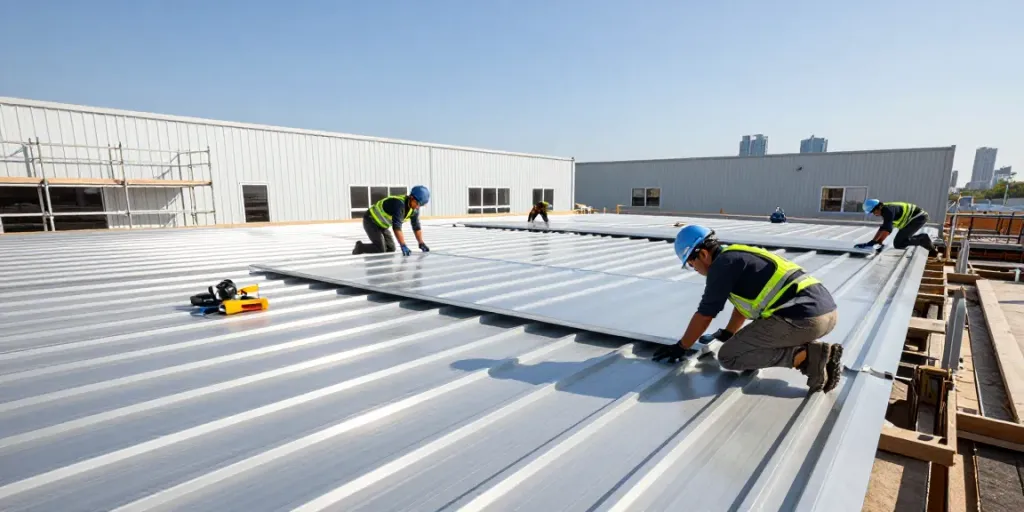
Safety should be a top priority during installation. Implementing proper safety protocols includes using personal protective equipment (PPE), ensuring fall protection measures are in place, and conducting regular safety meetings to address any concerns among the crew.
Future Trends in Commercial Metal Roofing
Sustainability in Metal Roofing Materials
As the demand for eco-friendly building materials grows, the metal roofing industry is responding by sourcing sustainable materials. Many manufacturers are increasingly incorporating recycled materials into their products, aligning with the global push towards sustainability.
Innovations in Metal Roofing Technology
Technological advancements are continuously shaping the metal roofing industry. Innovations like advanced coatings that improve energy efficiency and self-healing materials are becoming more prevalent. These technologies not only enhance the durability of roofs but also provide better insulation and protection against the elements.
Predictions for the Industry in 2026 and Beyond
Looking ahead to 2026, we can anticipate a significant shift towards more integrated building systems that mesh metal roofing with other sustainable technologies, such as solar panels and green roofing systems. This trend will likely increase the demand for commercial metal roofing as businesses seek to improve energy efficiency and reduce their carbon footprint.
Frequently Asked Questions
How much does a commercial metal roof cost?
The cost of a commercial metal roof can range significantly based on factors like material choice and roof size, with average costs falling between $5 to $12 per square foot.
What is better, a 24 or 26 gauge metal roof?
Generally, a 24-gauge metal roof is thicker and offers better durability compared to a 26-gauge roof, making it a preferred choice for commercial applications.
What is the biggest problem with metal roofs?
The most common issue arises from improper installation, which can lead to leaks, especially at seams. Additionally, thermal expansion can cause panels to buckle if not installed correctly.
How much does a 2000 sq ft metal roof cost?
For a 2000 sq ft area, costs can range from $10,000 to $24,000, depending on the metal material selected and installation complexity.
What are the maintenance requirements for commercial metal roofs?
Metal roofs generally require minimal maintenance. Regular inspections, clearing debris, and checking for any loose fasteners are key practices to ensure longevity.